



Clinical Applications of DBT for Teens and Young Adults
- Speaker:
- Eboni Webb, PsyD, HSP
- Duration:
- 12 Hours 37 Minutes
- Language:
- Presented in EN, subtitles in EN, ES, DE, FR, and IT, handouts in EN, ES, DE, FR, and IT
- Copyright:
-
20 May, 2026
- Product Code:
- POS150897
- Media Type:
- Digital Seminar

Description
This training provides clinicians with a structured framework for applying Dialectical Behavior Therapy (DBT) with adolescents and young adults in complex treatment settings. Participants will review DBT as a comprehensive treatment system, including the treatment target hierarchy, core interventions (e.g., chain analysis, skills training), and consultation team structure. The training also addresses adaptations for justice-involved and non-voluntary youth, including engagement strategies and integrating contextual factors such as trauma and environmental invalidation into treatment planning.
Credit
Speaker
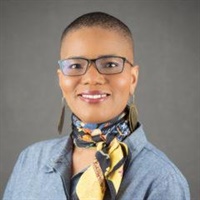
Eboni Webb, PsyD, HSP Related seminars and products
The Village of Kairos
Eboni Webb, PsyD, HSP, opened the private practice Kairos in Middle Tennessee in July 2010. Kairos, now The Village of Kairos, offers diverse DBT specializations including DBT or trauma-based disorders and co-occurring disorders. The Village of Kairos has expanded therapy programs, better known as Restorative Services, to include individual and group therapy sessions for adolescents, parents, families, and adults, including in-the-moment coaching for patients.
Dr. Webb earned her Doctor of Clinical Psychology from the Minnesota School of Professional Psychology. Dr. Webb began her clinical work as assistant clinical director and program director at Mental Health Systems in Minnesota, a large clinic specializing in Dialectical Behavior Therapy (DBT). She has extensively practiced DBT, developing two special treatment programs for clients with developmental disabilities and borderline-intellectual functioning.
Dr. Webb has completed Level II training and is currently in the process of completing her board certification in Sensorimotor Psychotherapy as an Advanced Certified Practitioner, which has become a prominent feature of therapy offerings in the Village.
Speaker Disclosures:
Financial: Dr. Eboni Webb maintains a private practice, has employment relationship with WebbJam Consulting, LLC, Acacia Therapy and Health Training, and Jack Hirose and Associates, Inc. She receives royalties as a published author. Dr. Webb receives a speaking honorarium and recording royalties from PESI, Inc. She has no relevant financial relationships with ineligible organizations.
Non-financial: Dr. Eboni Webb is a board member for Nashville Psychotherapy Institute.
Additional Info
Program Information
Access for Self-Study (Non-Interactive)Access never expires for this product.
Objectives
- Identify the components of comprehensive Dialectical Behavior Therapy for Adolescents (DBT-A) within the Biosocial Model System framework.
- Apply the DBT Treatment Target Hierarchy when conceptualizing treatment for high-risk adolescents and young adults.
- Use core DBT treatment tools including diary cards, behavioral chain analysis, and solution analysis.
- Examine the role of consultation teams in maintaining DBT treatment fidelity and preventing clinician burnout.
- Identify how systemic factors, including racial trauma and structural oppression, may function as invalidating environments within the DBT biosocial framework.
- Evaluate culturally responsive adaptations to DBT-A that maintain treatment fidelity while addressing racialized stress.
- Modify DBT skills such as 'Check the Facts' and Interpersonal Effectiveness when youth face realistic environmental threats.
- Integrate somatic and embodied regulation strategies (e.g., TIPP skills) when addressing trauma-related physiological dysregulation.
- Develop strategies for implementing DBT principles within systems serving justice-involved youth and young adults.
- Identify organizational barriers and readiness factors when planning phased DBT implementation.
- Apply engagement strategies when working with adolescents and young adults who are mandated or non-voluntary participants in treatment.
- Differentiate between appropriate adaptations and deviations from DBT fidelity in complex clinical settings.
Outline
Day 1: Building the DBT System- DBT as a Biosocial Model System (BMS)
- Overview of Comprehensive DBT-A Components (individual therapy, skills group, coaching, consultation team)
- Understanding the Treatment Target Hierarchy
- Using diary cards and behavioral chain analysis with high-risk youth
- Milieu and community-based skills coaching
- Aligning DBT targets with Youth Level of Service/Case Management Inventory (YLS/CMI 2.0) need areas
- Consultation Teams and System Sustainability
- Function of consultation teams in high-stress treatment systems
- Preventing therapist burnout and treatment drift
- Introducing equity and antiracist commitments within consultation team agreements
- Case conceptualization within structurally invalidating environments
- Racism as an Invalidating Environment within the DBT Biosocial Model
- Understanding structural stressors including policing, school exclusion, and systemic bias
- Antiracist adaptations to DBT (Pierson et al., 2022)
- Avoiding the pathologizing of adaptive survival strategies
- Skill Adaptations for Real-World Contexts
- Modifying the 'Check the Facts' skill when environmental threats are realistic
- Power analysis and safety planning within Interpersonal Effectiveness
- Context-sensitive assertiveness for youth navigating authority systems
- Integrating somatic and embodied regulation skills (e.g., TIPP)
- Implementation Mapping Workshop
- Identifying system barriers and readiness
- Drafting phased rollout priorities
- Defining next-step decision points for implementation
Target Audience
- Social Workers
- Licensed Mental Health Counsellors
- Marriage & Family Therapists
- Psychologists
- Physicians
Reviews
Satisfaction Guarantee
Your satisfaction is our goal and our guarantee. Concerns should be addressed to info@pesi.eu.
Please wait ...