


2-Day Intensive Training: Mindfulness Certification Course
- Speaker:
- Richard Sears, PsyD, PhD, MBA, ABPP
- Duration:
- 12 Hours 41 Minutes
- Language:
- Presented in EN, subtitles in EN, ES, DE, FR, and IT, handouts in EN, ES, DE, FR, and IT
- Copyright:
-
08 Jan, 2026
- Product Code:
- POS059495
- Media Type:
- Digital Seminar

Description
We’ve all heard ‘mindfulness works” and is the foundation for change in therapy.
But what do you actually do in session?
If you’re curious about new, evidence-ways to use mindfulness in your practice …
…that go past “focus on your breath” mindfulness then you’ll want to take this certification course!
In this joyful and relaxed learning environment, join leading trainer, Dr. Richard Sears, licensed psychologist, as he shows you practical and easy-to-use methods to apply mindfulness to tough clinical issues, like trauma, ADHD, substance use disorders, and grief and loss - all based on the latest evidence.
Best of all, you’ll end this training with the education you need to become a Certified Mindfulness Informed Professional (CMIP)* through Evergreen Certifications. *Professional standards apply to be eligible for certification. Visit https://eu.evgcert.com/cmip for more information.
Credit
Speaker
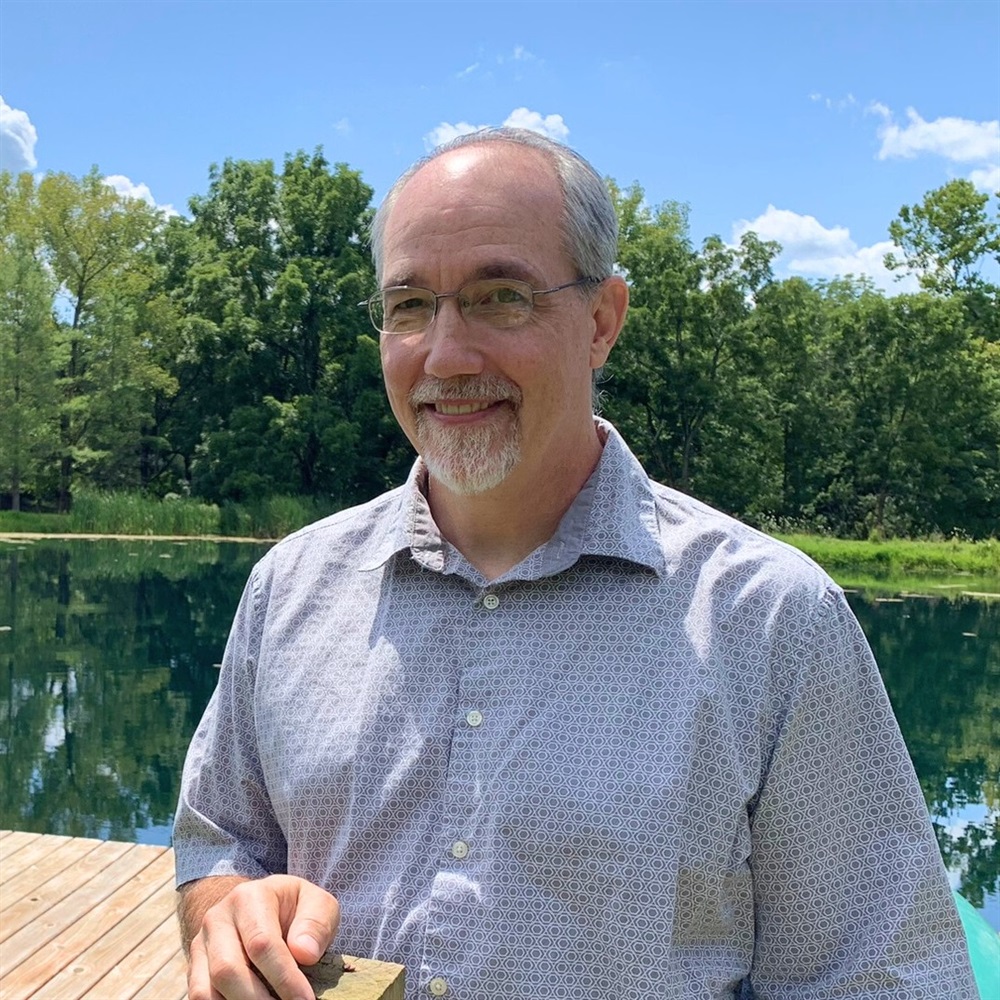
Richard Sears, PsyD, PhD, MBA, ABPP Related seminars and products
Richard Sears, PsyD, PhD, MBA, ABPP, is a licensed psychologist in Cincinnati, Ohio, board certified in clinical psychology by the American Board of Professional Psychology (ABPP), runs a private psychology and consultation practice, and is the director of the Center for Clinical Mindfulness & Meditation. He has run hundreds of mindfulness groups and was lead clinician in the first brain scan study involving mindfulness with children and adolescents. He is also an adjunct professor in the University of Cincinnati psychology department, clinical research faculty at the UC Center for Integrative Health and Wellness, volunteer professor of psychiatry & behavioral neurosciences at the UC College of Medicine, and a former research/psychologist contractor with the Cincinnati VA Medical Center.
His most recent books include ACT with Anxiety (PESI); The ACT Flip Chart (PESI); Cognitive Behavioral Therapy & Mindfulness Toolbox (PESI); Mindfulness: Living Through Challenges and Enriching Your Life in the Moment (Wiley-Blackwell); Building Competence in Mindfulness-Based Cognitive Therapy (Routledge); and Mindfulness-Based Cognitive Therapy for PTSD (Wiley-Blackwell).
Dr. Sears is a sixth-degree black belt in Ninjutsu, and once served as a personal protection agent for the Dalai Lama with his teacher, Stephen K. Hayes. He has studied Eastern Wisdom for over 40 years, receiving ordination in three traditions, and transmission as a Zen master.
Speaker Disclosures:
Financial: Dr. Richard Sears maintains a private practice and has employment relationships with the University of Cincinnati College of Medicine, the University of Cincinnati for Integrative Health and Wellness, Alliance Integrative Medicine, and Wright State University School of Professional Psychology. He receives compensation as a consultant and royalties as a published author. Dr. Sears receives a speaking honorarium, recording, and book royalties from PESI, Inc. He has no relevant financial relationships with ineligible organizations.
Non-financial: Dr. Richard Sears is a member of the Association for Contextual Behavioral Science, a diplomate of the American board of Professional Psychology, and a fellow with the Academy of the American Board of Clinical Psychology. He is a peer reviewer for Mindfulness and a book reviewer for John Wiley & Sons, Inc, and Routledge. He is the director of Center for Clinical Mindfulness and Meditation.

Additional Info
Program Information
Access for Self-Study (Non-Interactive)Access never expires for this product.
For a more detailed outline that includes times or durations of time, if needed, please contact cepesi@pesi.com.
Objectives
- Analyze how clear psychoeducational descriptions of the relationship between mindfulness, neurobiology, and common disorders can be used to motivate clients to engage in treatment.
- Appraise how a case conceptualization that draws upon neuropsychological principles can help clinicians establish realistic expectations and goals with clients.
- Formulate treatment plans for anxiety that incorporate mindfulness strategies clients can use in and out of session to help alleviate symptoms.
- Assess the neurobiological underpinnings of how emotions are created, and communicate why this is important to the therapeutic process.
- Employ mindfulness training and diaphragmatic breathing techniques that clients can use to help them manage unhealthy anger responses.
- Construct treatment plans for depression that incorporate mindfulness interventions that can be used to interrupt rumination and automatic negative thoughts.
- Demonstrate how mindfulness based stress reduction techniques can be used with clients to address prolonged periods of stress that can impact mental and physical health
- Assess the clinical impact of research regarding the effects of mindfulness based practices on the neuropsychological aspects of trauma.
- Evaluate the clinical implications of research regarding the association between mindfulness and relationship satisfaction and outcomes.
- Investigate how barriers to implementing mindfulness can be overcome using informal techniques clients can incorporate into their daily lives.
- Determine how clinical tools that increase self-awareness can be used in therapy to help clients better manage their thoughts, emotions and behaviors.
- Appraise the importance of the connection between therapist and client in contributing to positive clinical outcomes, and evaluate how mindfulness may enhance the therapeutic relationship.
Outline
Open Mindfulness and the Clinician:“Know What You Teach” and “Teach What You Know”
- Empirical support for improved symptomology and well-being
- The latest research on therapists who practice mindfulness
- Your mindfulness practice and how you can embody mindfulness
- Situations that may contraindicate applying mindfulness in session
- Research limitations
Easy to Use Strategies to Enhance Motivation in Therapy
- Mindfulness vocabulary
- Visuals and metaphors to explain mindfulness
- Motivate clients with neuroplasticity
Build Presence, Trust and Empathetic Connection with Clients
- Overcoming barriers
- Affect regulation techniques for therapist and client
- Strategies to create empathetic connection
- Exercises to build clients trust in themselves
Formal and Informal Mindfulness Practices
- Tips for teaching clients about the senses and awareness
- Strategies to shift from “Automatic Pilot”
- Skill building interventions to increase responsiveness & reduce reactivity
- Strategies to cultivate attunement
- Approach for deepened experience of mindfulness
- Brief and other informal practices
- How to adapt practices to special populations
- Effectiveness of group vs. individual mindfulness
- How to set up and conduct a mindfulness group
- Screening for individual goodness of fit
- Encouraging client buy-in and commitment to practice
- Mindfulness interventions specifically designed for groups
Mindfulness Interventions to Relax the Body and Mind
- Breathing practices that break the rumination cycle
- Guided visualizations to lower the stress response
- Movement strategies
- Multi-sensory regulation techniques
- Mindfully reduce the intensity of panic attacks
Disempower Intrusive Thoughts
- Muscle tension releasing – exercises to counter fight or flight
- Guided meditations to disempower intrusive thoughts
- Grounding exercises and sample scripts
- Recognize self-criticism and respond with self-love
- Manage negative self-talk with awareness of thoughts
- Medications to boost well-being
- Awareness vs. autopilot – relapse prevention
- Mindfulness for triggers
- Emotional regulation for cravings
- Breath through anger
- Distraction and grounding techniques
- Self-soothe with calming words and imagery
- Adapt mindfulness experiences with cultural sensitivity
- Assess appropriateness of mindfulness interventions for individuals
- Negotiate the treatment plan
- Right here/right now – stay in the moment to reduce anxieties
- Effective and healthy ways to manage your emotions
- Change limiting stories about caring for yourself
- Release the negative – 3 steps to countering negativity bias
Target Audience
- Counsellors
- Social Workers
- Psychologists
- Marriage and Family Therapists
- Addiction Counsellors
- Case Managers
- School Counsellors
- Nurses
- Physicians
- Other Mental Health Professionals
Reviews
Satisfaction Guarantee
Your satisfaction is our goal and our guarantee. Concerns should be addressed to info@pesi.eu.
Please wait ...