Please wait ...

Innovations in Psychotherapy

From trauma to transformation: what's working in psychotherapy today


11, 12 and 13 November 2026

A complete clinical experience designed to help you understand what's working in trauma and psychotherapy today, combining live training, on-demand learning, and global and local expertise you can apply directly in your sessions.

innovation in psychotherapy

Something important is shifting in psychotherapy. And it matters for your practice.


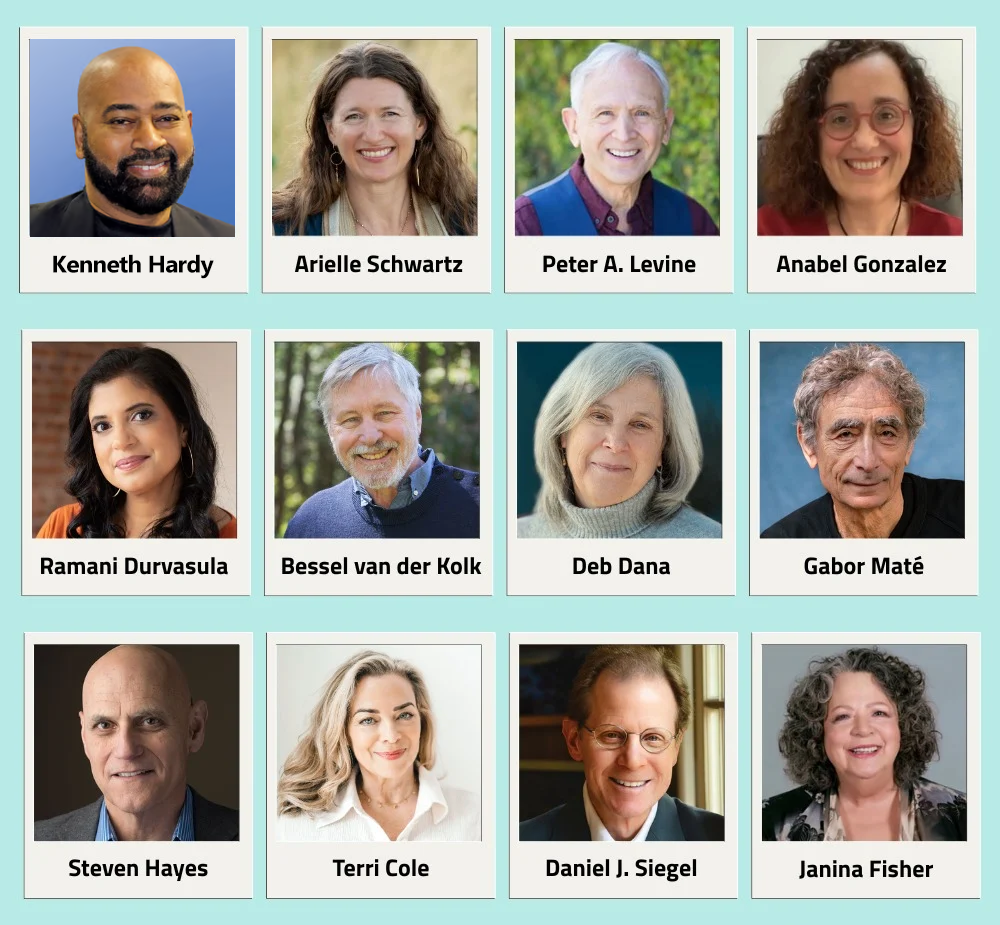
Innovations in Psychotherapy has brought together the most influential voices in trauma research and clinical practice. Every year, thousands of therapists leave with renewed direction, practical skills, and a clearer sense of what actually works.

For the first time, this experience is coming to Europe. And it has been rebuilt from the ground up for European therapists.

This is not a streamed conference. It is a structured clinical journey, shaped around the realities of European practice, and fully accessible in English, Spanish, French, Italian, and German.

Over three intensive days, you will learn alongside internationally recognised experts and leading European clinicians, exploring together how different models, approaches, and perspectives can genuinely integrate into your work.

Whether you are looking to:

  • Deepen your understanding of trauma and how it lives in the body, the mind, and relationships
  • Sharpen your clinical decision-making when clients seem stuck
  • Explore how IFS, EMDR, somatic approaches, ACT, and relational models connect in practice
  • Reconnect with the meaning and direction of your work

…this is where that process begins.

Most trainings teach one model. This doesn't. Innovations in Psychotherapy brings together multiple approaches and clinical voices, global expertise and European insight, moving through a deliberate sequence: understanding trauma, recognising patterns, navigating complexity. Not just what works, but how to integrate it with your actual clients, in your actual sessions.

FULL INNOVATIONS EXPERIENCE

The complete clinical journey

  • Full access to all 3 live training days (11–13 November)
  • 10 on-demand sessions, available immediately after registration
  • 3 months access to all content

👉 Best for clinicians who want a complete, structured, and integrated learning experience.

Introductory price: €127, instead of €247, until July 29

Live Schedule

All three days are streamed live. Ask questions directly to the speakers, and learn alongside colleagues from across Europe and the globe.


Wednesday 11 November – Understanding Trauma Today: Body, Experience and Context

Trauma is not just an event. It lives in the body, in how clients experience themselves, and in the broader world around them. This day expands the way you conceptualise what your clients are carrying, and why.

Benedetto Farina
Benedetto Farina
Wednesday, 11 – 3:30/4:30 pm
Therapeutic Alliance and Traumatic Attachment: Clinical Challenges and How to Address Them

A history of traumatic attachment (TA) is a significant driver of treatment resistance, regardless of the presenting disorder or the therapeutic approach used. Among the many obstacles TA creates, difficulties in the therapeutic alliance are among the hardest to navigate. This session examines the typical alliance challenges that arise with patients who have a TA history and sets out clear principles for working through them.

Learning objectives

1. Identify the clinical difficulties specific to patients with a history of traumatic attachment;

2. Understand the obstacles to building and maintaining a stable therapeutic alliance;

3. Apply therapeutic principles for working through alliance difficulties in practice.

José Luis Marín
José Luis Marín
Wednesday, 11 – 4:45/5:45 pm
Trauma, Body and Chronic Illness: An Intervention Framework for Clinical Practice

Medical training rarely teaches us to ask about a patient's trauma history. Yet many chronic conditions — persistent pain, functional symptoms, presentations that don't respond to standard treatments — may be rooted in early relational experiences that have left a mark on the body. The result is a gap in care. Patients move from one specialist to the next without anyone connecting the dots between what is happening to them and what has happened to them. This presentation makes the case for integrating a trauma-informed perspective into everyday clinical practice. The aim is not to turn every clinician into a psychotherapist, but to offer recognition frameworks, questions that open conversations, and a model for collaborative working that makes meaningful intervention possible. When a clinician knows how to look, a patient stops being an unexplained symptom and starts being heard.

Learning objectives

  • Understand the mechanisms by which early traumatic experiences can manifest as somatic illness, drawing on current clinical research.
  • Incorporate trauma history screening into general healthcare settings, supporting early identification and appropriate referral.
  • Build an interdisciplinary collaboration framework between health and psychotherapy professionals for the integrated care of patients with possible trauma-origin somatic presentations.

Kenneth Hardy
Kenneth Hardy
Wednesday, 11 – 6:00/7:45 pm
Expanding Our Understanding of Trauma: The Invisible Dimensions in Clinical Practice

Across Europe, clinicians are increasingly called to recognise and respond to the less visible dimensions of trauma — those shaped by identity, belonging and lived experience in diverse cultural and social contexts.

Yet many traditional trauma models still struggle to account for these layers, leaving important aspects of patients' experience inadequately addressed. The result is a clinical landscape in which genuinely integrative, context-sensitive care remains hard to achieve.

Drawing on more than three decades of work as a supervisor, teacher and author, Dr Kenneth Hardy has been a leading voice in expanding how we understand trauma — not as a discrete event, but as an experience deeply interwoven with relational, cultural and social dynamics.

In this presentation, he will examine how trauma intersects with identity and context, and how these dimensions shape both suffering and resilience. He will also offer concrete clinical reference points to help practitioners develop a more nuanced, inclusive and effective approach — one that meets the full humanity and complexity of the people they work with.

Peter Levine & Arielle Schwartz
Wednesday, 11 – 8:00/10:00 pm
A Somatic Approach to Trauma Healing: From Survival to Wholeness

Trauma does not reside in thoughts or narratives, but in the body. When survival responses — fight, flight, freeze or collapse — are not completed, they remain physiologically encoded, keeping patients anchored in the past regardless of how much they have talked about what happened or how much insight they have gained. Dr Levine, a pioneer in somatic trauma therapy, offers a naturalistic and neurobiological framework for identifying where patients become "stuck" in defensive states, and for gently releasing the thwarted survival energy that underlies trauma symptoms. Through presentation and clinical case examples, you will acquire practical somatic tools to help your patients move out of chronic dysregulation and towards greater presence, resilience and calm. You will learn how to:

  • Identify where a patient is physiologically stuck in a survival response
  • Apply foundational somatic techniques including somatic tracking, titration and pendulation
  • Support patients in developing self-regulation and co-regulation capacities
  • Recognise the clinical risks specific to somatic work
Thursday 12 November – Understanding Clinical Patterns: How Change Really Happens

Symptoms are rarely the whole story. This day explores how clients relate to their thoughts, emotions, and behaviours, why patterns persist even when clients want to change, and what actually creates lasting movement in therapy.

Evelyne Josse
Evelyne Josse
Thursday, 12 – 3:30/4:30 pm
Memory Reconsolidation as a Driver of Therapeutic Change: Using EMDR and Hypnosis to Update the Memories That Keep Patterns in Place

Why do some patterns hold firm even when a patient is doing everything they can to change them? The answer often lies not in insight or willpower but in emotional learnings stored deep in memory, learnings that quietly drive symptoms long after their original purpose has passed. In this session, Evelyne Josse explores memory reconsolidation, the brain's own mechanism for updating these learnings at their source. Drawing on her work in EMDR and hypnosis, she shows how these approaches can reactivate an old emotional memory and open a brief window in which genuine, lasting change becomes possible. You will see why symptom-focused work can leave the underlying pattern intact, and you will leave with practical strategies from both approaches, along with clear reference points for putting them to work in session.

Anabel González
Anabel González
Thursday, 12 – 4:45/5:45 pm
Emotional Regulation in Trauma: Practical Strategies for Complex Clinical Presentations

Emotional regulation sits at the intersection of adverse experience and the development of later psychopathology. Far from a simple mechanism, it encompasses a complex set of processes that must be understood in depth to effectively address trauma-related disorders. This presentation examines the primary forms of emotional regulation and their clinical implications.

Learning objectives

1. Understand the key processes involved in emotional regulation in trauma, and their role in the development of psychopathology;

2. Identify different regulatory styles and difficulties in patients with a trauma history, particularly in complex presentations;

3. Apply practical clinical strategies to support emotional regulation in therapeutic work with traumatised patients.

Ramani Durvasula
Ramani Durvasula
Thursday, 12 – 6:00/7:45 pm
If everyone is a narcissist, then maybe no one is…

The debate about narcissism has exploded on social media, in mental health forums and even in global politics. But when we bring the topic into the therapy room, what are we really talking about? Is narcissism a disorder? A personality style? An adaptive trait that drives success, or a maladaptive pattern that harms others? And why has this term become such a contentious topic in today's culture? We live in an era in which entitlement, grandiosity, status-seeking, arrogance and even gaslighting are socially and economically rewarded, while pointing out these traits and behaviours is often dismissed as punitive or pathologizing in healthcare settings, and even in global politics. But when we bring the topic back into the consulting room, what are we really treating?

In this provocative presentation, Dr Ramani Durvasula, New York Times bestselling author and expert on narcissism, clears up the confusion surrounding narcissism — which populates social media and pop psychology — to reveal the clinical reality. She will also unravel the ultimate clinical irony: while culture is obsessed with diagnosing narcissists, therapists tend to treat more of those who suffer from the conflictual patterns than those who cause the harm.
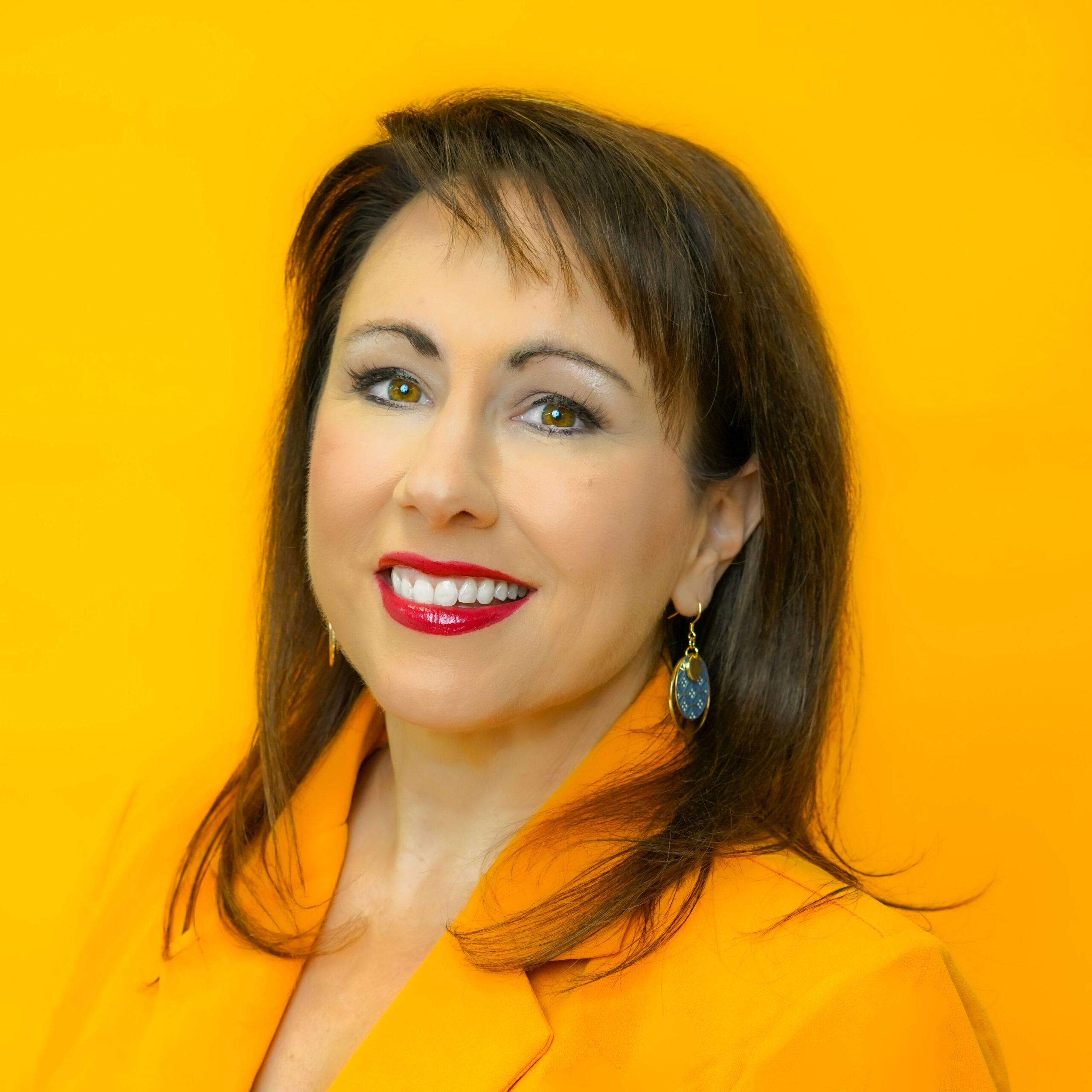
Amelia Kelley
Amelia Kelley
Thursday, 12 – 8:00/10:00 pm
Effective treatment of ADHD in women

Women with ADHD often do not appear "hyperactive," but exhausted. They may seem responsible, organized, sociable and high-performing, yet often feel overwhelmed on the inside. Many present a mix of rejection sensitivity, emotional intensity, the need to please others, perfectionism and chronic guilt that has never been fully explained by traditional ADHD models. In this workshop, you will explore the Female ADHD Personality Profile, an emerging synthesis of research on neurodiversity, gender socialization, sensitivity, emotional labor, trauma history and lifelong masking. You will learn why women with ADHD often become over-strivers and people-pleasers, and why their relationships — parenting, romantic partnerships and friendships — are marked by patterns of excessive emotional responsibility and burnout. You will discover:

  • Relationship-focused tools, including communication scripts, emotional regulation strategies, frameworks for setting boundaries and somatic and IFS-based interventions
  • Ways to help women with ADHD build relationships that support neurodiversity
  • How to translate cutting-edge research into practical, real-world strategies
  • How to help patients overcome the burnout that stems from sensitivity, gender norms and rejection sensitivity
Friday 13 November – Working with Complexity: Personality, Relationships and Clinical Challenges

Some clients don't fit neatly into any one model. This day builds your capacity to work with more complex presentations, from personality and relational trauma to the clinical challenges that arise in real practice.

Isabelle Leboeuf
Isabelle Leboeuf
Friday, 13 – 3:00/4:00 pm
At the Edge of Suffering: An Integrative, Systemic Approach to Strengthening the Alliance and Working Through Resistance

When a patient is overwhelmed by suffering and the work stalls, even seasoned clinicians can feel stuck. The alliance frays, resistance sets in, and the way forward becomes unclear. In this session, Isabelle Leboeuf brings together cognitive behavioural therapy, compassion-focused therapy and a systemic perspective to help you read these moments clearly and respond to them with confidence. You will come away with simple, practical tools and concrete clinical reference points you can put to use in session, so that even your most distressed patients feel met, understood and able to move forward.
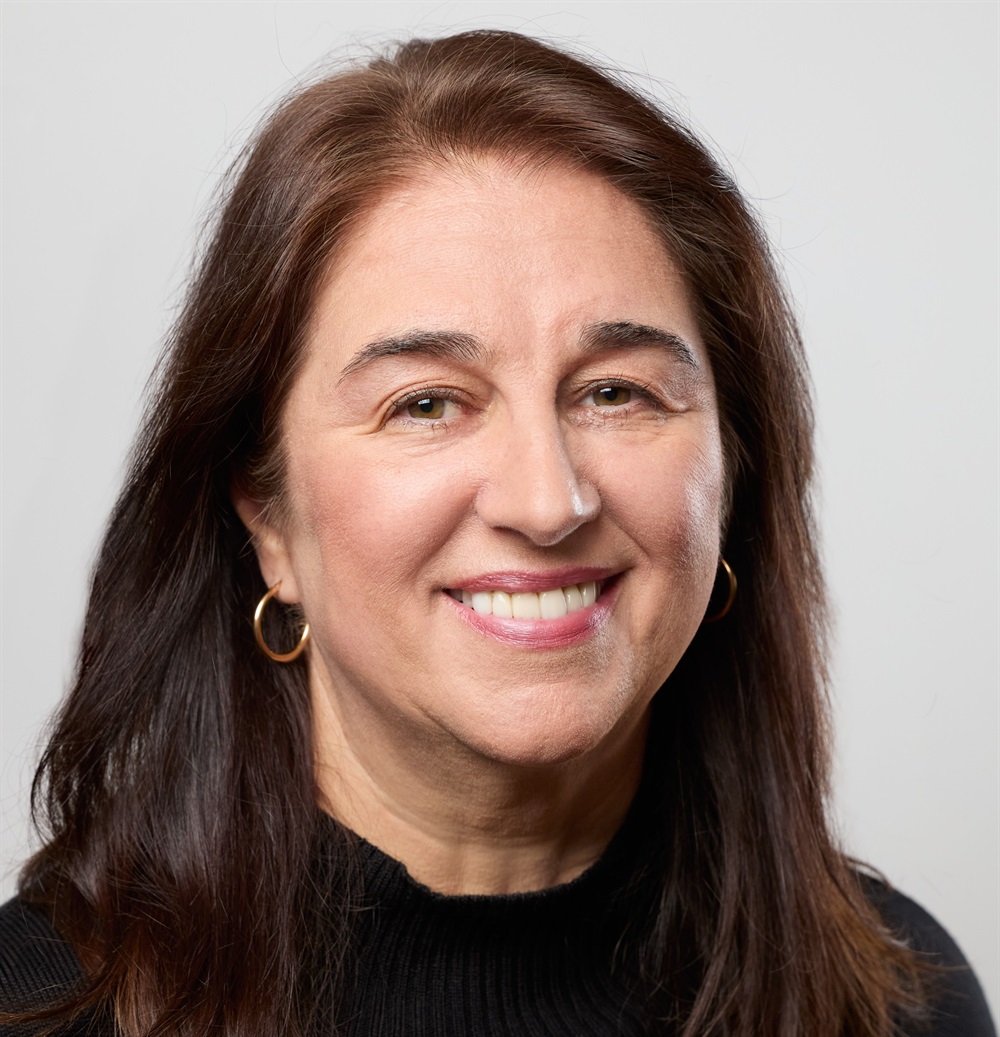
Manuela Mischke-Reeds
Friday, 13 – 4:15/5:15 pm
Embodied Identity: Working with Trauma, Self, and Fragmentation in Complex Clients

Your most complex trauma clients don't just present with symptoms. They struggle with something deeper: a fractured sense of who they are. The usual tools track regulation and dysregulation, but they miss the real picture, because the fragmentation is held in the body itself.

Posture, breath, movement, and relational presence aren't only signs of a nervous system under strain. They're expressions of identity, shaped by every developmental rupture and trauma your client has lived through. Read them as such, and you gain a clinical lens most therapists never develop.

That's what this session gives you. Manuela Mischke-Reeds introduces Embodied Identity, a somatic framework that treats identity as a living, relational process rather than a fixed construct. Through case examples and brief experiential learning, you'll learn to recognise somatic markers of fragmentation, distinguish healthy multiplicity from trauma-related dissociation, and apply body-based interventions that move clients toward regulation, coherence, and embodied self-experience.

Terri Cole
Terri Cole
Friday, 13 – 5:30/6:45 pm
The invisible father wound

Many women carry father wounds without realising it. In our patriarchal culture, these wounds are reinforced, which makes them go unnoticed and hard to identify. Sometimes it is overt abuse, but more often there is a gradual accumulation of absences, emotional unavailability or disappointments that, over time, have become normal.

Whether the wound was obvious or subtle, these women may struggle to set boundaries, give too much in relationships or find it difficult to receive affection from others. They may feel anxious in the face of male authority or repeatedly choose partners who reinforce their deep fears about their own worth.

In this powerful session, the host of the widely followed podcast The Terri Cole Show and bestselling author of Boundary Boss, will draw on her latest book, Father Wound: Break Unhealthy Patterns to Reclaim Your Worth and Power, to help us better recognise father wounds in their many forms. She will also explore how untreated father wounds manifest in a woman's relationships, career and self-esteem, so that you can help your patients move from unconscious adaptation and self-abandonment towards greater self-confidence and more conscious relational choices.

Gabor Maté
Gabor Maté
Friday, 13 – 7:00/9:00 pm
Addictions, from heroin to workaholism. A compassionate approach to reclaiming integrity and health

Drawing on more than a decade of direct clinical experience working with people affected by severe addictions, mental illness and trauma, Gabor Maté offers a deeply human and scientifically grounded exploration of addiction in all its forms, from substance use to socially accepted compulsions, such as addiction to work, shopping and sex. Drawing on the latest advances in neuroscience and on his landmark book In the Realm of Hungry Ghosts, this workshop challenges conventional views of addiction as a genetic or purely medical disorder, presenting it instead as a continuum rooted in early childhood experiences, stress and emotional loss.

Through a compassionate lens, you will explore how early environments shape brain development, how stress and trauma increase vulnerability to addiction, and why understanding the function that addiction serves in a person's life is essential for healing.

You will discover how to:

  • Recognize addiction as an adaptive response to pain and an attempt to meet unmet needs
  • Understand the role that early experiences and stress play in brain development, emotional regulation and vulnerability to addiction
  • Cultivate a compassionate and effective response to addiction that fosters responsibility, healing and the long-term restoration of personal integrity.
On-Demand Content: 10 sessions available from the moment you register

Go deeper between live sessions with additional training from some of the world's leading experts in trauma and psychotherapy. Every session is available with audio in English, French, German, Spanish, and Italian, so you can engage fully in the language where you think most clearly. Available immediately, and yours for three months.

Frank Anderson
Frank Anderson

Overcoming trauma with IFS therapy

Steven Hayes
Steven Hayes

Practical ACT strategies for real change

John & Julie Gottman

Restoring trust: new perspectives on trauma and healing after infidelity

Leanne Campbell
Leanne Campbell

EFIT in trauma recovery. Enhancing connection, resilience and healing through attachment science

Robin Bilazarian
Robin Bilazarian

Emotional Freedom Techniques and Tapping

Janina Fisher
Janina Fisher

Overcoming shame: the key to trauma healing

Deb Dana
Deb Dana

Finding a new rhythm: a polyvagal-guided approach to life after a loss

Bessel van der Kolk
Bessel van der Kolk

There is no one-size-fits-all solution. How to individualize trauma treatment
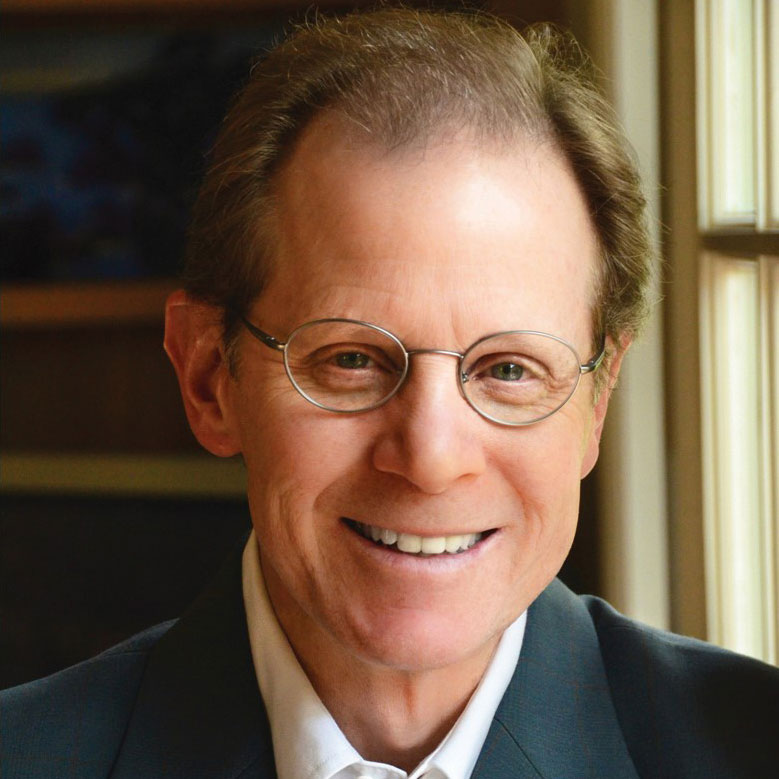
Dan Siegel
Dan Siegel

Social-emotional learning from the inside out. Helping children develop insight, empathy and compassion

Alexandra Solomon
Alexandra Solomon

The trauma of endings. Helping clients cope with breakups and divorce

Frank Anderson
Frank Anderson

Overcoming trauma with IFS therapy

For many clients with complex PTSD, life can feel like an exhausting onslaught of negative feelings: worthlessness, hopelessness, anxiety and loneliness. And for the therapists who treat them, it is difficult to instill hope while addressing the trauma-related instability and vulnerability. Fortunately, incorporating Internal Family Systems techniques into treatment has been shown to reduce the aftereffects of relational trauma and early attachment wounds, allowing therapists to help clients chart a path forward. In this workshop, you will apply neuroscientific principles to therapeutic decisions about extreme symptoms while addressing common adaptations to relational trauma, such as abandonment, shame and substance abuse. You will learn to help clients:

  • Let go of distorted thoughts and beliefs, release disturbing sensations and free themselves from feelings of insufficient worth, loneliness and lovelessness
  • Address the protective parts in a trauma-specific way and obtain permission from these parts to access hidden vulnerabilities
  • Use cognitive, body-centered and emotional tools to release pain

This product is not endorsed, sponsored or affiliated with the IFS Institute and does not confer credits or IFS Institute certification.

Objectives

  • Differentiate the types of traumatic stress, including those arising from early attachment ruptures.
  • Distinguish how IFS differs from traditional phase-oriented treatments for traumatic stress.
  • Demonstrate how IFS works with the internal protective parts to access traumatic ruptures.
  • Integrate IFS principles with other psychotherapeutic treatment models.
  • Assess the common clinical obstacles to recovery from traumatic stress

Steven Hayes
Steven Hayes

Practical ACT strategies for real change

How can therapists facilitate real change in a more humanistic and client-centered way? This dilemma forms the cornerstone of Acceptance and Commitment Therapy (ACT), which starts from a simple question: how can we help our clients be more open, more aware and actively involved in building a meaningful life? Once we have helped clients answer this question, they can extend those gains to their relationships, their bodies and even to culture at large. Backed by more than 1,400 randomized trials and drawing on therapeutic approaches from around the world, ACT is especially well-suited to helping clients face today's greatest challenges: not only personal issues related to eating, sleep, exercise and physical illness, but also social concerns, such as how to be a better parent, how to deal with prejudice and how to become a kinder person. In this experiential workshop, you will learn all the main aspects of the ACT model. As well as:

  • Why the most popular diagnostic frameworks today have serious shortcomings, and a more inclusive approach to diagnosis
  • How ACT is applied in practice, through exercises you can do alone or with your clients
  • How to give the body a more central role in your interventions
  • How to help clients act in line with what matters most to them

Objectives

  1. Identify the core psychological flexibility processes of the ACT model and how they interrelate.
  2. Demonstrate at least three experiential exercises that focus on different flexibility processes in clinical sessions.
  3. Share strategies for integrating psychological flexibility exercises into ongoing therapeutic work.

John & Julie Gottman

Restoring trust: new perspectives on trauma and healing after infidelity

There are not many clinical problems that destabilize therapists as quickly as infidelity. Whether emotional or sexual, infidelity can feel like the kryptonite of love. How can we effectively help couples caught in the paralyzing aftermath of a romantic betrayal? In this presentation, the Gottmans will present the results of pioneering research, based on the first six-year randomized controlled trial of a treatment for couples affected by infidelity. Therapists will be introduced to an evidence-based protocol, based on Gottman Method Couples Therapy, to support clients through key steps that enable them to successfully overcome the aftermath of an affair and emerge stronger, more connected and more resilient as a couple.

Objectives

  1. Identify the traumatic impacts of infidelity on both members of the couple.
  2. Apply Gottman Method interventions to help couples rebuild trust and emotional intimacy after betrayal.
  3. Apply practical strategies and rituals that foster long-term relational resilience and prevent betrayals from recurring in couples recovering from infidelity.

Leanne Campbell
Leanne Campbell

EFIT in trauma recovery. Enhancing connection, resilience and healing through attachment science

The difficulty in managing painful emotions is at the core of post-traumatic problems, and without attending to your clients' intense feelings of fear, disgust, anger and helplessness, you will not be able to heal their pain. In this session, Dr. Leanne Campbell will show you an emotionally focused therapy model that offers you a simple and proven 5-step, attachment-based process to create predictable, repeatable and lasting transformation in your clients.

Objectives

  1. Describe the key components and goals of the EFIT model.
  2. Identify emotional anchor points in order to plan interventions.
  3. Apply attachment science to the field of psychotherapy.

Robin Bilazarian
Robin Bilazarian

Emotional Freedom Techniques and Tapping

Go beyond talk therapies to reach the essence and the true reason clients seek treatment: their distress. The widely researched Emotional Freedom Technique (EFT) and tapping have the power to rapidly relieve the traumatic residue of emotional dysregulation, including fear, worry, rage, terror, agitation and more. Remarkably, the often-overlooked physical dysregulation that manifests as a racing heart, tightness in the throat, stomach upset, pain, a clenched jaw or other bodily discomforts also disappears with EFT and tapping. With simple tools that clients can use to self-regulate and manage their emotional well-being, tapping is an accessible therapeutic approach that places the power of healing directly in the hands of your own clients. Integrate EFT and tapping into other common trauma treatment modalities to help with resistant problems and memory reconsolidation. Best of all, this hands-on, experiential workshop includes a live demonstration so you can see this technique in action.

Objectives

  1. Choose an EFT and tapping intervention to calm the somatic reaction of the overwhelmed body.
  2. Assess how EFT and tapping can be helpful in the reconsolidation of traumatic memories.
  3. Integrate EFT and tapping to help release difficult thoughts and emotions, as well as the physical discomforts that accompany them.

Janina Fisher
Janina Fisher

Overcoming shame: the key to trauma healing

More than any other obstacle, shame can block the joy and peace that traumatized clients seek in therapy. Feelings of worthlessness prevent them from taking in positive experiences. Instead of seeing their achievements and strengths as accurate reflections of who they are, shame sabotages their progress. Paradoxically, as clients improve with treatment, assert themselves more and reach their goals, these changes can evoke other forms of shame, such as self-doubt and self-judgment. In this workshop, you will explore how to understand and accept the role that shame plays in overcoming traumatic events, undo the negative beliefs rooted in traumatic events that fuel feelings of inferiority and worthlessness, and connect with feelings of shame and move beyond them to make room for more pride and self-love.

Objectives

  • Summarize the role of shame and self-contempt as symptoms of trauma. Identify the neurobiological effects of shame.
  • Distinguish the physiological and cognitive factors that contribute to chronic shame.
  • Describe the survival advantages of shame.

Deb Dana
Deb Dana

Finding a new rhythm: a polyvagal-guided approach to life after a loss

Clients suffer a loss and, suddenly, the rhythm of their lives changes. It is as if they had left home without a map and found themselves in unknown territory. Their bodies activate survival strategies to protect themselves from being overwhelmed by suffering, and their brains create stories to try to make sense of what has happened. Polyvagal theory offers a guide for finding the way. By listening to our autonomic nervous system and honoring its wisdom, we can learn to move through the world differently and adopt a new rhythm.

In this experiential workshop, Deb Dana, an expert trainer in Polyvagal Theory and author, will show how biology influences the experience of loss and the ways to collaborate with the nervous system to move forward. She uses the principles of Polyvagal Theory to analyze loss, explore ways to follow autonomic responses after a loss and learn to harness the power of ventral energy to remember a loss, while creating rhythms that nurture new patterns. Deb will carry out a live demonstration that will show Polyvagal Theory in action by exploring an autonomic story of loss.

Objectives

  1. Use the principles of Polyvagal Theory to understand a client's response to loss.
  2. Develop a timeline of changes in autonomic patterns after a loss.
  3. Select skills to improve access to ventral regulation after a loss.

Bessel van der Kolk
Bessel van der Kolk

There is no one-size-fits-all solution. How to individualize trauma treatment

Despite advances in trauma research and claims about treatments considered "gold standard," there is no single method that works for everyone. Trauma treatment requires addressing many different systems that may be affected in distinct ways in each person. Understanding how to adapt and apply interventions to people suffering from traumatic stress is as important as the interventions themselves. In this workshop, you will learn:

  • What we currently know about the effects of trauma on brain development
  • How to determine which clinical intervention is best for specific problems
  • How we can change people's internal map of predictions and expectations by introducing new experiences with precision, attunement and interactions
  • Why the potential role of some unconventional approaches, such as yoga, martial arts and theater, are interesting topics in current research

Objectives

  1. Investigate how traumatic stress affects human beings differently at the various stages of development.
  2. Describe the research on the impact of traumatic experiences on the perception of the future.
  3. Develop a model for selecting individualized trauma interventions based on the client's needs.

Dan Siegel
Dan Siegel

Social-emotional learning from the inside out. Helping children develop insight, empathy and compassion

Don't miss this closing presentation! Bestselling author, child psychiatrist and award-winning educator Daniel Siegel joins Frank Anderson, author, psychiatrist and therapist, to discuss how to equip children with tools to face the overwhelming challenges they encounter, with skills based on "mindsight" and working with IFS parts.

Social-emotional learning arises from the cultivation of "mindsight" and greater access to the energy of the self: our capacity to perceive the mind, from the inside and the outside, and to move that mental life toward integration while honoring differences and fostering compassionate bonds and connections.

Take home strategies for teaching children to distinguish and value the different aspects of their states of mind, and learn to integrate, adapt and build resilience in the face of life's overwhelming challenges.

Objectives

  1. Use a definition of the mind from the framework of Interpersonal Neurobiology to apply the concept of energy regulation to optimal mental functioning.
  2. Explain how the Internal Family Systems therapeutic model helps children increase affect tolerance and self-regulation capacities.
  3. Assess states of chaos and rigidity that reveal an impediment to integration, which is the foundation of well-being.
Alexandra Solomon
Alexandra Solomon

The trauma of endings. Helping clients cope with breakups and divorce

The data are clear: most of us will live more than one love story over the course of our lives. We talk a lot about the skills and paradigms that people and couples need to create an intimate relationship. But we don't talk enough about the skills and paradigms that people and couples need to end an intimate relationship. Learning relational meta-skills can help clients face endings — and new beginnings — with greater integrity and relational self-awareness, reducing collateral damage to both themselves and others. In this workshop, discover an integrative approach to help your clients better understand the common thoughts, feelings and problems that arise during a breakup, as well as to integrate the loss and prepare to date others again. You will explore:

  • How to teach relational self-awareness as an essential meta-skill for managing and clarifying boundaries, and making sense of the end of a relationship
  • How to help clients advocate for their relational needs with their romantic partners
  • An integrative approach to help clients move from relational fear and ambivalence to empowerment and clarity

Objectives

  1. Identify how to help clients set boundaries and advocate for their relational needs with new romantic partners.
  2. Determine with clients the importance of relational self-awareness for creating a satisfying romantic relationship.
  3. Identify the most common therapeutic mistakes when working with clients who are ending a relationship or beginning a new one.

FULL INNOVATIONS EXPERIENCE

The complete clinical journey

  • Full access to all 3 live training days (11–13 November)
  • 10 on-demand sessions, available immediately after registration
  • 3 months access to all content

👉 Best for clinicians who want a complete, structured, and integrated learning experience.

Introductory price: €127, instead of €247, until July 29

What makes this Innovations in Psychotherapy different

Most training events focus on a single model, a specific technique, or a narrow clinical topic. Innovations in Psychotherapy is built differently.

An integrated clinical perspective

Rather than teaching one approach, this experience brings together multiple perspectives: trauma, somatic work, ACT, relational models, neuroscience. Not as a survey, but as an integrated whole, helping you understand how they connect and when to draw on each one in practice.

You will learn from internationally recognised experts alongside leading European clinicians who understand the contexts in which you actually work. Global research and innovation, grounded in European clinical reality.

Every session is designed with the same question in mind: how does this translate into the room? You will leave each day better equipped to understand what is happening in therapy, recognise patterns in your clients, and apply what you have learned in your next session.

The three days follow a clear clinical progression: understanding trauma, understanding patterns, working with complexity. By the end, you will not just have new information. You will have a more coherent way of thinking about your work.

Learn from leading voices in psychotherapy

You will learn from some of the most influential figures in contemporary psychotherapy, alongside leading European clinicians working in real-world clinical contexts across Europe.

This combination matters. Global expertise brings research, innovation, and breadth. European clinicians bring context, specificity, and the realities of practice. Together, they create something neither could offer alone: perspectives that connect, complement each other, and translate directly into your everyday clinical work.

José Luis Marín

José Luis Marín

anabel gonzalez

Anabel González

Peter Levine

Peter Levine

Arielle-Schwartz_2

Arielle Schwartz

Gabor Maté

Gabor Maté

Janina-Fisher-1.jpg

Janina Fisher

Frank Anderson

Frank Anderson

Alexandra Solomon

Alexandra Solomon

ACT Acceptance and Commitment Therapy in azione, con Steven Hayes

Steven Hayes

leanne campbell

Leanne Campbell

bessel-van-der-kolk.jpg

Bessel van der Kolk

Deb Dana,

Deb Dana

Kenneth Hardy

Kenneth Hardy

Terri Cole

Terri Cole

Gottman

John & Julie Gottman

Durvasula_Ramani_600x600.jpeg

Ramani Durvasula

Robin Bilazarian

Robin Bilazarian

Amelia Kelley

Amelia Kelley

Tammy Nelson

Manuela Mischke Reeds

Dan Siegel 01

Dan Siegel

Megan Devine

Benedetto Farina

Isabelle Leboeuf

Isabelle Leboeuf

Evelyne Josse

Evelyne Josse

What you will be able to do after this experience

  • Apply IFS skills to help clients work with their internal patterns and reduce suffering
  • Use EMDR approaches to address developmental trauma and attachment wounds
  • Integrate somatic and cognitive interventions into your existing practice
  • Work more effectively with grief, loss, and bereavement
  • Support survivors of narcissistic abuse with greater clinical confidence
  • Adapt your approach for neurodivergent clients
  • Navigate the impact of trauma on relationships, intimacy, and sexuality
  • Deliver culturally informed care that is responsive to your client's specific context

Approaches and models covered

  • Internal Family Systems
  • Somatic Therapy
  • Acceptance and Commitment Therapy
  • Polyvagal Theory
  • Emotionally Focused Individual Therapy
  • Emotional Freedom Techniques
  • EMDR
  • Attachment Based Interventions
  • Cognitive Behavioural Therapy
  • Neuroscience-Based Interventions
  • Compassionate Inquiry

Clinical issues addressed

  • Complex Trauma
  • ADHD and Neurodivergence
  • Narcissism
  • Addiction
  • Grief and Loss
  • Shame
  • Intimacy and Relationships
  • Infidelity and Betrayal
  • Racialised Stress and Trauma
  • Working with Children

FULL INNOVATIONS EXPERIENCE

The complete clinical journey

  • Full access to all 3 live training days (11–13 November)
  • 10 on-demand sessions, available immediately after registration
  • 3 months access to all content

👉 Best for clinicians who want a complete, structured, and integrated learning experience.

Introductory price: €127, instead of €247, until July 29